
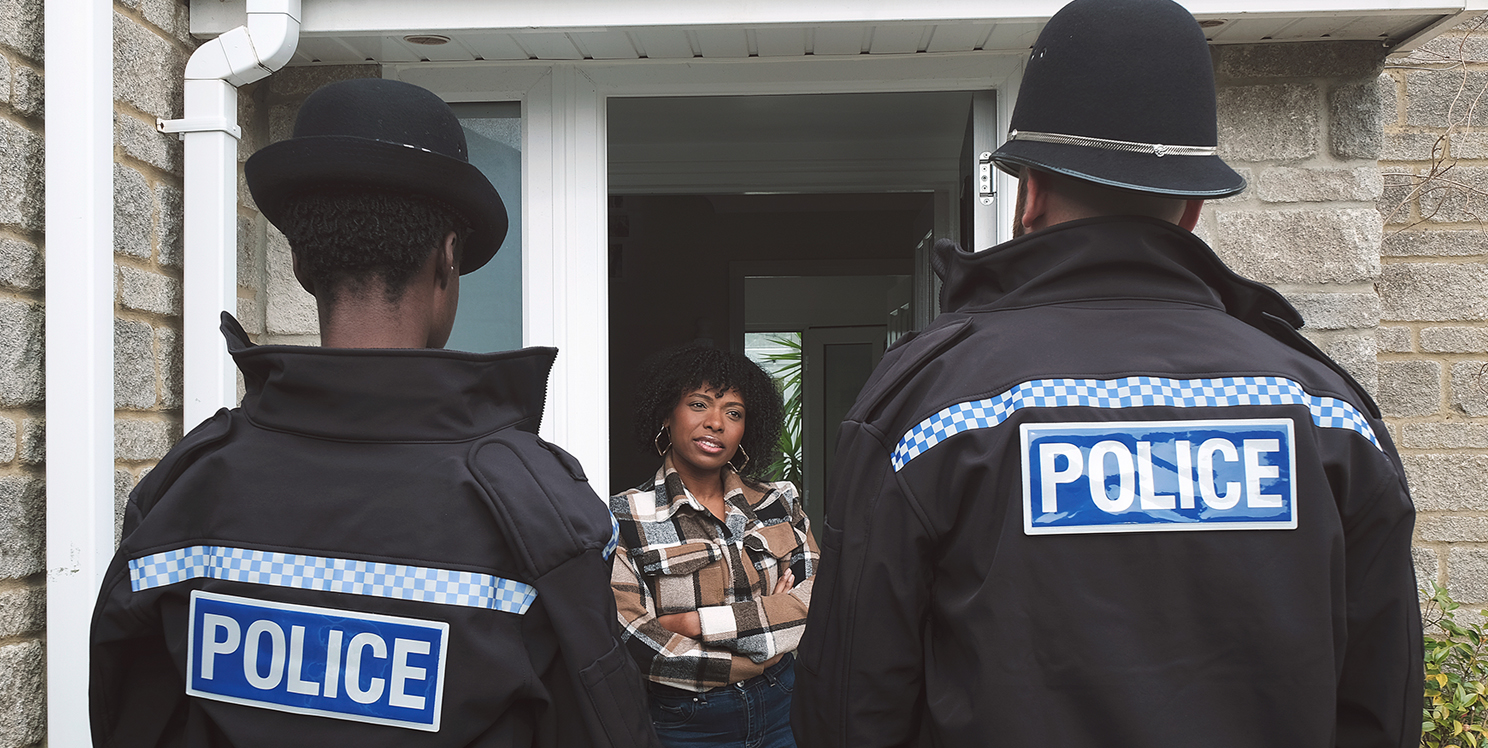

While you might hear the phrase “criminal justice system” referred to as one structure, it is in reality a group of organisations that work together to respond to crime, protect the public, and support victims.
These organisations include:
- the police
- courts
- the Crown Prosecution Service (often referred to as the CPS)
- support services
The priorities of the criminal justice system in the United Kingdom are to:
- keep people safe
- investigate what happened
- support victims and witnesses
- make fair decisions about any evidence captured
- hold people, groups or organisations accountable if a crime has been committed
There are rights, protections and services in place to help people who have experienced crime (including victims, witnesses, and people who support them) to understand what is happening, and to feel safer during the process.
It is completely normal to feel confused or overwhelmed
Navigating the criminal justice system can be very complicated, especially if you are also dealing with the impact of crime or the impact of crime on someone you care about.
Everyone’s journey will look different, and not every case follows the same path. On this page, you can find more information about the most common things you might experience.
You do not need to be an expert. Understanding the basics can help you to feel more prepared and access the support available to you at every step.
What to expect
What to expect when going through the criminal justice system differs slightly depending on whether you are a victim (the crime happened to you) or a witness (you saw the crime happening).
-
What to expect as a victim
Guidance on what to expect from the criminal justice system as a victim
-

What to expect as a witness
Guidance on what to expect from the criminal justice system as a witness
You can find more about this on the Victims and Witness Information website, which is a government service.
Who is involved
The main roles you can expect to encounter while navigating the criminal justice system are:
- police, who investigate and gather information
- prosecutors, who decide if a case can go to court
- courts, judges and juries, who hear evidence, ensure fairness, and make decisions.
- support services, who help victims and witnesses throughout the process
What happens afterwards
After a criminal trial has concluded, you will be updated about the outcome and any protective measures that have been put in place.
Support does not end when the case ends. Regardless of the outcome, you will be able to access:
- emotional support
- help understanding the sentence
- ongoing safety planning
- updates if the offender is in prison through victim information schemes
You can also ask us as your Victim and Witness Support Service, the police, or the Witness Service to refer you to other services or networks.
You can also find out more about what happens after a case or trial has concluded on the Government’s Victim and Witness information website.
Your rights after a trial
If the offender was found guilty, you have the right to:
- join the Victim Contact Scheme if they were sentenced to 12 months or more, for a violent or sexual offence
- be told what sentence they received, including a short explanation of the sentence
- be told about any appeal against their conviction or sentence
- apply for compensation under the Criminal Injuries Compensation Scheme
- be given information about restorative justice and how you can take part
- be told how to challenge a parole decision if the Parole Board decides the offender is safe to release
You can read more about your rights as a victim or witness of crime in the Victims’ Code.
Was this page useful? Tell us about your experience.